How to Read Books for Free Legally Without Piracy
If you want books for free, start with the library, then public-domain sources, then campus and community options. If none of those fit, check nearly free legal fallbacks before you drift toward piracy sites that create more trouble than they solve.
The good news is that there are plenty of legitimate ways to read without paying full price. The trick is matching the source to the book. A bestseller is usually a library-app problem. A classic is often a public-domain problem. An audiobook can be a library or volunteer-narration problem. And if you still want your own copy, a used-copy price check can keep the budget sane. If you want to compare that fallback quickly, Textbook Nova is a useful place to search alongside other marketplaces.
Start with your library card, not a download site
For most readers, the safest free option is the one hiding in plain sight: your public library.
Apps like Libby make it easy to borrow ebooks and audiobooks with a library card, and Hoopla gives many libraries another way to stream or borrow digital titles. The catch is simple: availability depends on your library, your region, and the title itself. Popular books can have holds. Some libraries offer more audiobooks than ebooks, and some do the reverse.
That does not make library borrowing inconvenient. It just means it works best when you treat it like a queue, not a vending machine.
A good library habit looks like this:
- put the book on hold early;
- borrow the ebook or audiobook if the print copy is checked out;
- keep a backup title in mind;
- renew when possible instead of letting the loan expire;
- use library discovery tools before you buy anything.
If you are a student, a library card can do a lot of the heavy lifting before you spend a dollar.
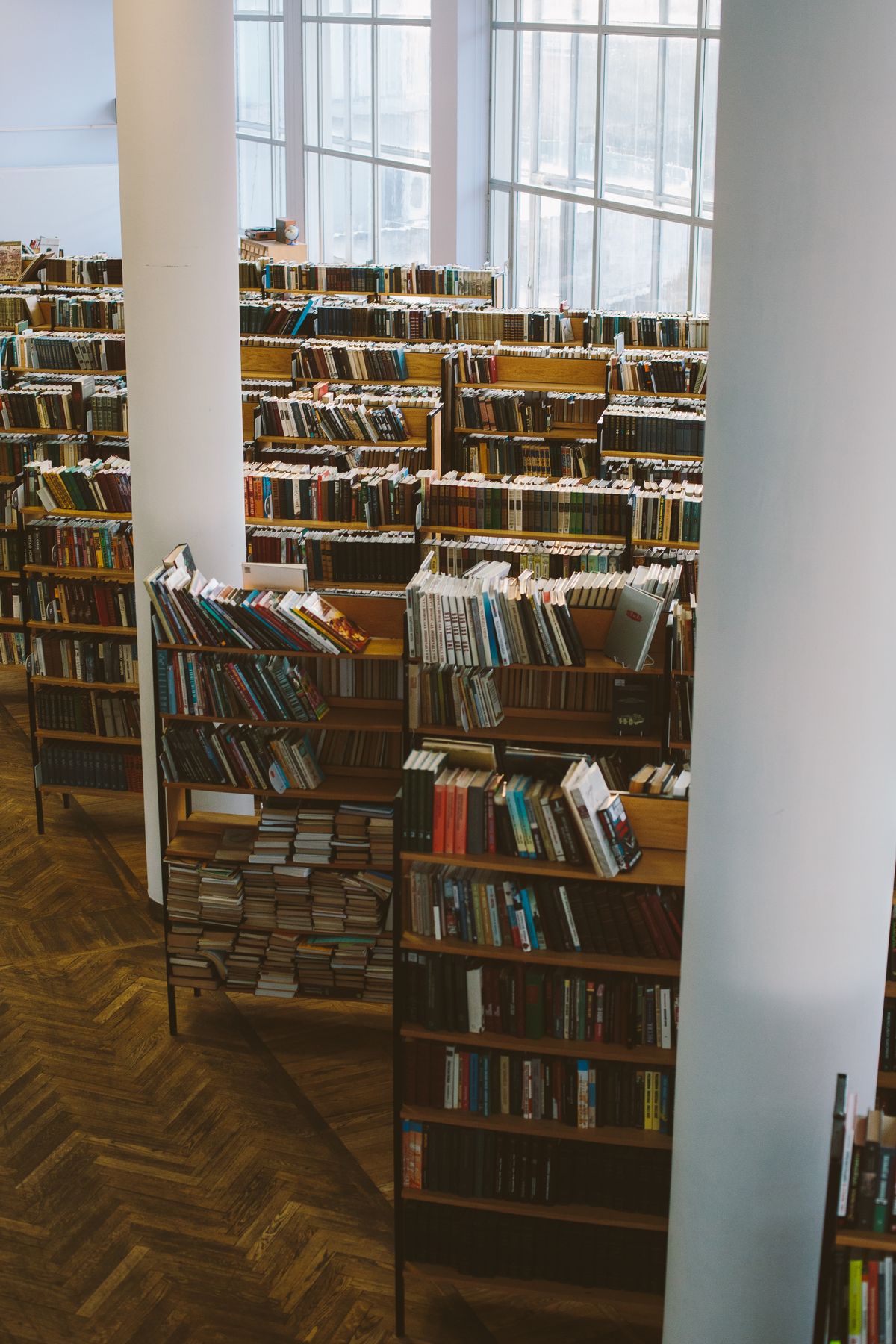
Use public-domain sources for classics and older books
When a book is old enough to be out of copyright, it may be legally free to read in ebook form.
That is where Project Gutenberg shines. It is one of the best-known sources for public-domain ebooks, and it is especially useful for classics, older novels, and foundational nonfiction. If you care about nicer formatting, Standard Ebooks is a good follow-up because it focuses on polished editions rather than bare-bones scans.
This is the right lane for readers who want Austen, Dickens, Twain, Frankenstein, or other books whose legal status is no longer tied to a publisher’s current sales cycle. It is also the right lane for readers who simply want a book file they can keep without worrying about an expiration date.
A quick rule: if the book is famous, old, and widely studied, check whether there is a legal public-domain edition before you search sketchier sites. The U.S. Copyright Office explains why copyright status matters in plain language, and that is the line to remember: free is fine when the rights are clear.
Try legal free audiobooks when reading time is scarce
If you are too busy to sit down with a book, audio may be the easiest way to keep reading alive.
LibriVox offers volunteer-read public-domain audiobooks, which makes it a strong option for classics and older titles. Library apps can also be great here, because many libraries lend audiobooks through Libby or Hoopla just like they lend ebooks.
Audio is worth considering when:
- you commute;
- you walk or exercise regularly;
- your eyes are tired after screen-heavy work;
- you want a second format for a book that is already available in print.
The main tradeoff is that audio is format-dependent. Not every book has an audiobook version, and volunteer narration quality can vary. But when you want the story more than the page layout, audio can be the simplest legal free option.
Check campus, classroom, and community options
Libraries are not the only legitimate free-reading route.
College students can often borrow books through campus libraries, interlibrary loan, reserve desks, or department libraries. Some instructors place copies on reserve for short-term checkout. Community centers, local literacy programs, and neighborhood book exchanges can also help when you need something temporary rather than permanent.
If your local library does not have what you want, WorldCat can help you locate nearby library copies through the broader library network. That is especially handy for nonfiction, older editions, or books that are uncommon in your immediate area.
This is also where the “free” question gets practical. Sometimes the best option is not a perfect free copy of the exact title. Sometimes it is a nearby library, a reserve copy, or a legal borrowed version that gets you 90% of the way there with zero drama.
When free is not realistic, go nearly free safely
Sometimes the honest answer is that the book you want is not free right now.
That is fine. The goal is not to force a free option at any cost. The goal is to avoid overpaying or doing something risky.
A smart fallback looks like this:
- compare used copies before buying new;
- check whether the ebook is cheaper than the print edition;
- look for older editions if the content still works for you;
- use price checks before buying from the first seller you see;
- confirm whether the book is still easier to borrow than own.
If you decide the book is worth keeping, Textbook Nova can help you compare used-copy options without making the hunt feel random. That matters because “free” is not always the best value if a used copy is only a few dollars.
The point is to stay legal and keep the decision intentional. A good fallback is still a win.
Quick decision guide: the safest free-book path
Use this as the fast version.
- Need a current bestseller or popular new release? Start with Libby or Hoopla and place a hold.
- Need a classic or older book? Check Project Gutenberg first, then Standard Ebooks for a cleaner edition.
- Need an audiobook? Try your library app first, then LibriVox for public-domain titles.
- Need a book for class or a local search? Check your campus library, WorldCat, or interlibrary loan.
- Need a copy to keep and free is not realistic? Price-check a used copy, ebook, or older edition before buying new.
That order works because it starts with the lowest-friction legal option and only moves toward spending money if free access is not practical.
The bottom line
You do not need shady download sites to read more for less. For most readers, the safest path is library borrowing first, public-domain sources second, campus and community access third, and used-copy price checks when free is not a realistic fit.
That sequence keeps you legal, saves money, and usually gets you reading faster than the sketchy alternatives ever would. If you want the smartest next step, make it simple: search your library, check the copyright status, and only pay when the free path truly runs out.